AI call agents are becoming increasingly popular with UK businesses looking to make more outbound sales calls, qualify prospects and automate parts of their telemarketing activity.
But if your business is introducing AI into its outbound calling process, there is an important question that should form part of your setup:
Are the telephone numbers being called properly checked against the Telephone Preference Service (TPS) and Corporate Telephone Preference Service (CTPS)?
New technology does not remove your existing responsibilities around telephone marketing – and depending on exactly how your AI calling technology operates, there may be additional compliance considerations too.
What is TPS and CTPS checking?
The Telephone Preference Service (TPS) is the UK’s official register of individuals who have indicated that they do not wish to receive unsolicited live sales and marketing calls.
The Corporate Telephone Preference Service (CTPS) performs a similar function for corporate subscribers.
If your business conducts outbound live sales or marketing calls, telephone numbers need to be screened against the appropriate registers.
Importantly, businesses making B2B calls may need to check both TPS and CTPS. This is because some businesses, including sole traders and certain partnerships, fall under TPS rather than CTPS. The ICO specifically recommends screening B2B calling lists against both registers.
You should also maintain and screen against your own internal suppression or “do not call” list.
Does using an AI call agent change the rules?
Potentially – and this is where businesses need to be careful.
There is a significant difference between:
- AI technology being used to support a live human caller
- Automated dialling technology
- An autonomous AI voice agent conducting the conversation itself
- For normal live direct marketing calls, TPS and CTPS screening remains a fundamental part of the compliance process.
However, the ICO applies stricter rules to automated marketing calls. Its current guidance describes these as calls made by an automated dialling system that plays a recorded message and states that specific consent is required before making this type of automated marketing call. Consent to receive ordinary live marketing calls is not sufficient.
Modern conversational AI voice agents are developing much faster than much of the terminology used in existing telephone marketing legislation and guidance.
Therefore, if you are planning to use a completely autonomous AI call agent for outbound marketing, do not assume that checking the number against TPS and CTPS alone makes the call compliant.
You should establish exactly how your system operates and obtain appropriate compliance or legal guidance where necessary.
AI calling platforms should consider TPS checking from the start
One potential problem with AI calling is scale.
A human telesales team may make hundreds of calls.
An automated platform may be capable of processing thousands or tens of thousands of telephone numbers very quickly.
That makes having a proper screening process even more important.
If numbers are automatically entering your calling platform from a CRM, purchased marketing list, lead-generation system or another database, TPS and CTPS screening should not simply be an occasional manual exercise.
It should form part of your overall data and outbound calling workflow.
How often should telephone numbers be TPS checked?
The TPS states that organisations conducting sales and marketing calls are required to screen their calling data against the TPS register at least every 28 days, although many businesses choose to screen more frequently. The underlying register itself is updated daily.
This is particularly important if you maintain a large database that is continually being called.
A number that was clear when you originally obtained it may subsequently be registered with TPS or CTPS.
Similarly, if you purchase or receive telephone marketing data from another supplier, you should establish when it was last TPS and CTPS checked rather than assuming it remains suitable for calling indefinitely. The ICO specifically warns businesses to ensure third-party lists have been screened recently.
Can TPS checking be automated?
Yes.
For businesses using AI call agents, diallers, CRMs or other automated telemarketing platforms, integrating TPS and CTPS checking directly into the workflow can make considerably more sense than manually uploading files.
Selectabase’s EasyCheck TPS & CTPS checking service can be used in several ways, including:
- Online TPS and CTPS checking
- Bulk telephone list screening
- Windows and Excel-based checking
- Managed TPS checking
- API integration for automated systems
- Our API can allow developers to incorporate TPS and CTPS screening into their existing technology so that numbers can be checked as part of an automated process.
You can find full details of our TPS and CTPS checking services here.
What about B2B AI calling?
One of the common misconceptions around outbound calling is that TPS checking only applies when calling consumers.
It doesn’t.
If you make B2B telemarketing calls, you need to consider both TPS and CTPS.
The ICO states that businesses making live B2B marketing calls cannot normally call numbers registered with the CTPS or TPS unless the business has specifically agreed to receive those marketing calls. Businesses must also respect anyone who has previously objected to being called.
So whether your business uses:
- Internal telesales staff
- An outsourced call centre
- CRM dialling software
- Predictive diallers
- AI-assisted sales agents
- AI calling technology
- the source and compliance status of the telephone numbers being used should be considered before the campaign starts.
Bought a telemarketing list? Check it before you call
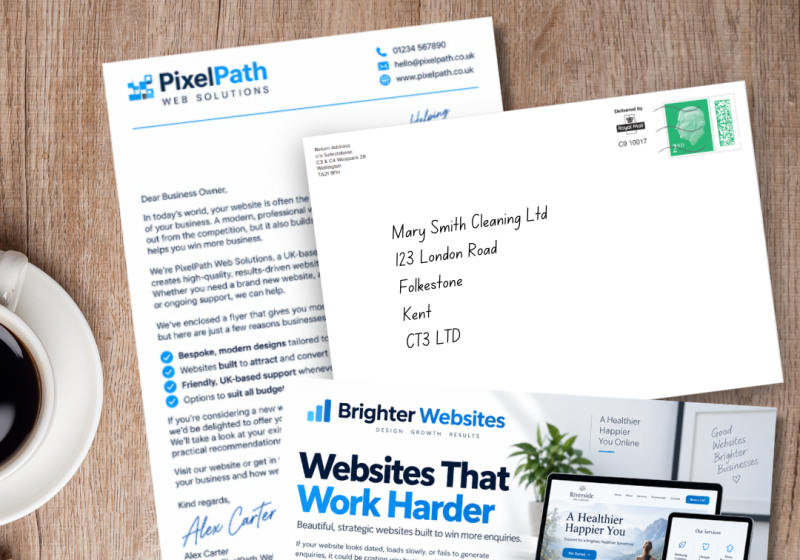
TPS screening is also relevant if you have purchased a B2B or B2C telemarketing list.
Even where a supplier has previously TPS checked the data, you should know when that screening took place.
TPS and CTPS registrations change continually, which is why calling databases need to be refreshed.
This becomes particularly important where data has been sitting inside a CRM for several months before being loaded into a new AI calling platform.
Before suddenly allowing technology to call thousands of older records, check the data first.
A simple question for businesses adopting AI calling
AI can dramatically change the speed and scale at which businesses conduct outbound activity.
But before switching on an AI calling campaign, ask:
Where have our telephone numbers come from, when were they last TPS and CTPS checked, and are we permitted to make this particular type of call?
For live telemarketing activity, regularly screening your numbers against TPS and CTPS is an essential part of answering that question.
Selectabase has provided TPS checking services since 1999 and offers businesses a choice of online, bulk, desktop and API-based screening.
Our EasyCheck service uses the official TPS and CTPS registers, which are updated daily, and provides a screening audit trail to help businesses demonstrate when numbers were checked.
Need to TPS or CTPS check your calling data?
Whether you have a few thousand telephone numbers or need an automated solution capable of supporting a high-volume outbound calling platform, Selectabase can help.
View our TPS and CTPS checking service, prices and integration options
Or speak to the Selectabase team on 01304 383838.
Frequently Asked Questions
Do businesses have to check telephone numbers against TPS?
Businesses making unsolicited live sales and marketing calls need to screen telephone numbers against the relevant TPS or CTPS register and respect their own previous opt-outs. TPS states that calling data should be screened at least every 28 days.
Do B2B telephone lists need CTPS checking?
Yes. B2B live marketing calling requires CTPS consideration, but businesses should generally screen against both CTPS and TPS, because some business subscribers are covered by TPS.
Do AI call agents need TPS checking?
It depends on how the technology is being used. If AI supports a human making live marketing calls, the normal live-call TPS and CTPS requirements remain relevant. Fully autonomous AI marketing calls may raise additional requirements under the rules governing automated calls, so TPS screening should not be treated as the only compliance requirement.
Can I automatically TPS check numbers using an API?
Yes. Selectabase provides an EasyCheck API that allows TPS and CTPS checking to be integrated into CRMs, diallers and other software applications, helping businesses automate their screening processes.
Where can I compare TPS checking costs?
Visit the Selectabase TPS checking page to see the available TPS and CTPS screening options, calculate costs and find the most appropriate solution for your calling volumes.