A marketing letter already has one huge advantage – it gets attention.
The mistake many businesses make is asking the reader to do too much next.
“Visit our website”
“Search for us online”
“Call this number later”
That’s where responses fall away.
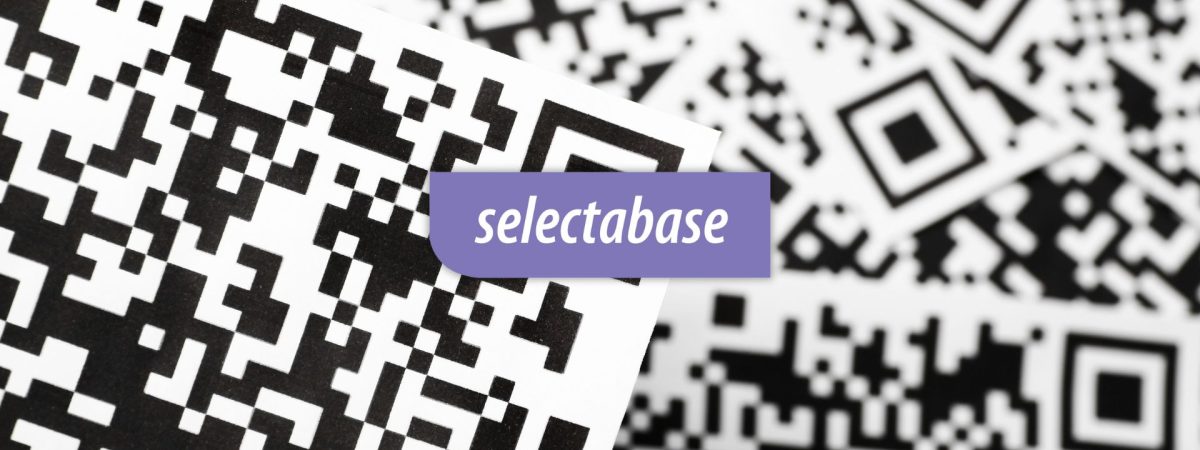
A QR code bridges the gap between offline attention and online action.
Instead of hoping someone remembers you later, you:
- Capture intent in the moment
- Send them to one specific action
- Track exactly what happens next
What You Should Use a QR Code for (And What You Shouldn’t)
QR codes work best when they send people to:
- A dedicated landing page
- A short enquiry form
- A personalised offer
- A video explainer
- A calendar booking page
They work badly when they send people to:
- Your homepage
- A cluttered services page
- Anything that requires searching or thinking
Rule of thumb:
If the page doesn’t match the letter word-for-word, don’t use it.
Dedicated Landing Pages Are the Key
The most successful QR-driven campaigns use:
- One letter
- One message
- One QR code
- One landing page
That page should:
- Repeat the headline from the letter
- Reassure the reader they’re in the right place
- Offer one clear next step (call, form, booking)
This alone can dramatically improve response rates compared to sending traffic to a generic website.
Tracking Responses Properly (This Is Where Most Go Wrong)
One of the biggest benefits of QR codes is response tracking – but only if it’s set up correctly.
With the right setup, you can see:
- How many people scanned the code
- Which campaign generated the response
- What action they took after landing
Without tracking, you’re back to:
“We didn’t get any response”
When in reality, people may have engaged – you just didn’t see it.
Where to Place the QR Code on a Letter
Placement matters more than design.
Best practice:
- Below the main call-to-action
- Near the signature
- Clearly labelled (don’t assume people know why it’s there)
Simple works:
“Scan here to get a quick quote”
“Scan here to book a call”
“Scan here to see if we can help”
Avoid tiny codes, decorative boxes, or placing them where the eye won’t naturally land.
QR Codes Don’t Replace Phone Calls – They Support Them
QR codes aren’t there to replace:
- Phone numbers
- Names
- Human contact
They support people who:
- Can’t call right now
- Prefer scanning to typing
- Want to check you out before making contact
The strongest campaigns offer multiple response routes, all pointing to the same message.
When QR Codes Are Especially Effective
We see QR codes perform particularly well for:
- B2B marketing letters
- Professional services
- Local services
- Higher-value offers
- Campaigns with a clear problem/solution message
They’re less effective when the letter itself lacks clarity – a QR code won’t fix weak messaging.
Final Thought
QR codes don’t magically create responses.
But when combined with:
- A clear marketing letter
- A strong call-to-action
- A focused landing page
- Proper tracking
They remove friction – and friction is the biggest response killer in direct mail.
Used properly, QR codes turn interest into action while the letter is still in the reader’s hands.
For more information on how Selectabase can help you save money on bulk print and post, email your requirements to [email protected] or call 01304 383838