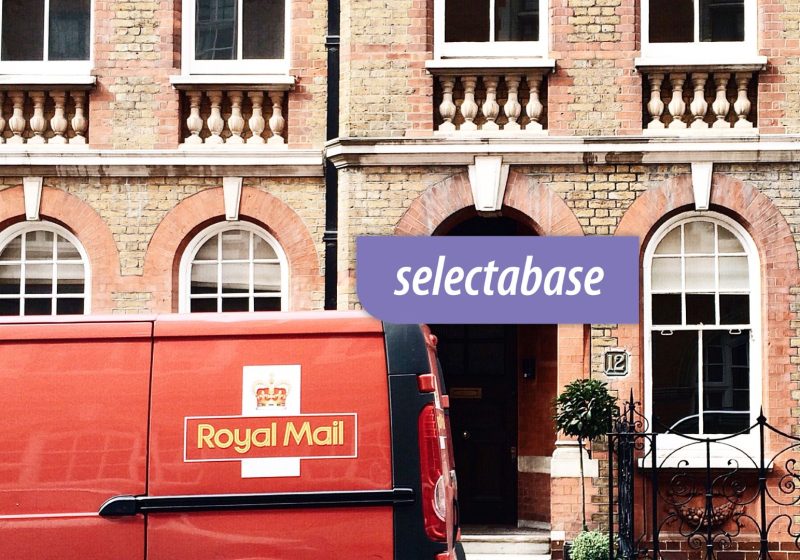
In an increasingly digital world, direct mail continues to capture attention and generate engagement. While email inboxes and online adverts compete for space, a physical piece of mail often stands out in a way that digital communication cannot.
One of the reasons direct mail remains effective is rooted in psychology. Physical mail triggers behavioural responses that encourage people to notice, open and read the message.
Understanding these psychological factors can help businesses design more effective campaigns and improve response rates.
The Power of Tangibility
One of the biggest differences between direct mail and digital communication is that it is physical. People can hold a letter, postcard or brochure in their hands, which makes the message feel more real and memorable.
Research into consumer behaviour shows that tangible materials can create stronger emotional responses and higher recall compared to digital messages. Because of this, recipients are often more likely to engage with a piece of direct mail than an online advert.
The physical presence of mail also means it is harder to ignore. Unlike an email that can be quickly deleted, direct mail often sits on a desk or kitchen table, increasing the chances that it will be read.
Curiosity and the Desire to Discover
Curiosity is a powerful psychological trigger. When people receive mail addressed specifically to them, it often creates a natural desire to see what it contains.
Elements such as intriguing headlines, personalised messaging or unusual envelopes can increase this sense of curiosity. When recipients feel that the message might be relevant or interesting, they are more likely to open and read it.
This is why many successful direct mail campaigns focus on creating an element of intrigue within the design or copy.
Personalisation Builds Connection
Another psychological factor that influences engagement is personalisation. When a piece of mail includes the recipient’s name or references their business, it immediately feels more relevant.
People are naturally more inclined to pay attention to information that relates directly to them. Personalised messaging creates the impression that the communication has been carefully targeted rather than sent to a large, anonymous audience.
This sense of relevance increases the likelihood that the mail will be opened and considered.
Trust and Credibility
Trust plays an important role in how people respond to marketing messages. In some cases, digital communication can feel impersonal or easily dismissed as spam.
A professionally designed piece of direct mail can feel more credible and legitimate. The effort involved in printing and sending a physical communication can signal that the business behind it is established and serious.
As a result, recipients may be more willing to read the message and consider the offer being presented.
Reduced Digital Competition
Digital marketing channels are extremely crowded. Many professionals receive hundreds of emails each week, making it difficult for individual messages to stand out.
Direct mail faces far less competition. Because fewer companies use physical mail as part of their marketing strategy, it often receives more attention when it arrives.
This relative scarcity can increase the chances that recipients will open and read the message.
See some of our most popular styles here – https://www.selectabase.co.uk/services/create-and-post/sample-mailings/
The Role of Habit
People often develop habits when sorting their daily mail. Many individuals quickly scan envelopes or postcards to determine whether they contain something relevant.
If the design, headline or branding captures attention during this quick review, the recipient is more likely to open the item. This makes the design and presentation of direct mail particularly important.
A well designed piece of mail can interrupt routine behaviour and encourage the recipient to take a closer look.
Overview
The effectiveness of direct mail is closely linked to human behaviour and psychology. Tangibility, curiosity, personalisation and trust all influence whether a recipient decides to open and read a piece of mail.
By understanding these psychological triggers, businesses can create more engaging campaigns that capture attention and encourage responses. When combined with accurate targeting and strong messaging, direct mail remains a powerful marketing channel.
For more information on how we can help you with your next mailing campaign, please email your questions or requirements to [email protected], or call us on 01304 383838